




Madikwe Game Reserve, South Africa
75,000 Hectares
of Pristine Wilderness
Malaria-free and home to one of Africa’s greatest concentrations of wildlife - Big Five, Wild Dog, Cheetah, and over 350 Bird species. A reserve that was built from nothing, and became something extraordinary.
Discover Madikwe Game Reserve
Madikwe Game Reserve sits along the Botswana border in South Africa’s North West Province, at the meeting point of two distinct ecosystems – the semi-arid Kalahari and the classic bushveld savanna. The result is a landscape unlike any other: wide open plains, red earth, rocky outcrops, and seasonal waterways that draw wildlife from across a 75,000-hectare wilderness.
Declared a national park in 1991, Madikwe was built from what was once unproductive farmland. That origin is part of what makes it remarkable – a reserve that was created with intention, and has since become one of Africa’s most quietly celebrated wild spaces.
It remains malaria-free, uncrowded, and relatively unknown. Visitor numbers are controlled, sightings are unhurried, and the landscape lends itself to long, open views. Guests who come here tend to keep it to themselves – which is precisely why Madikwe stays the way it is.
The Animals
Big Five, Wild Dog, Cheetah, and More
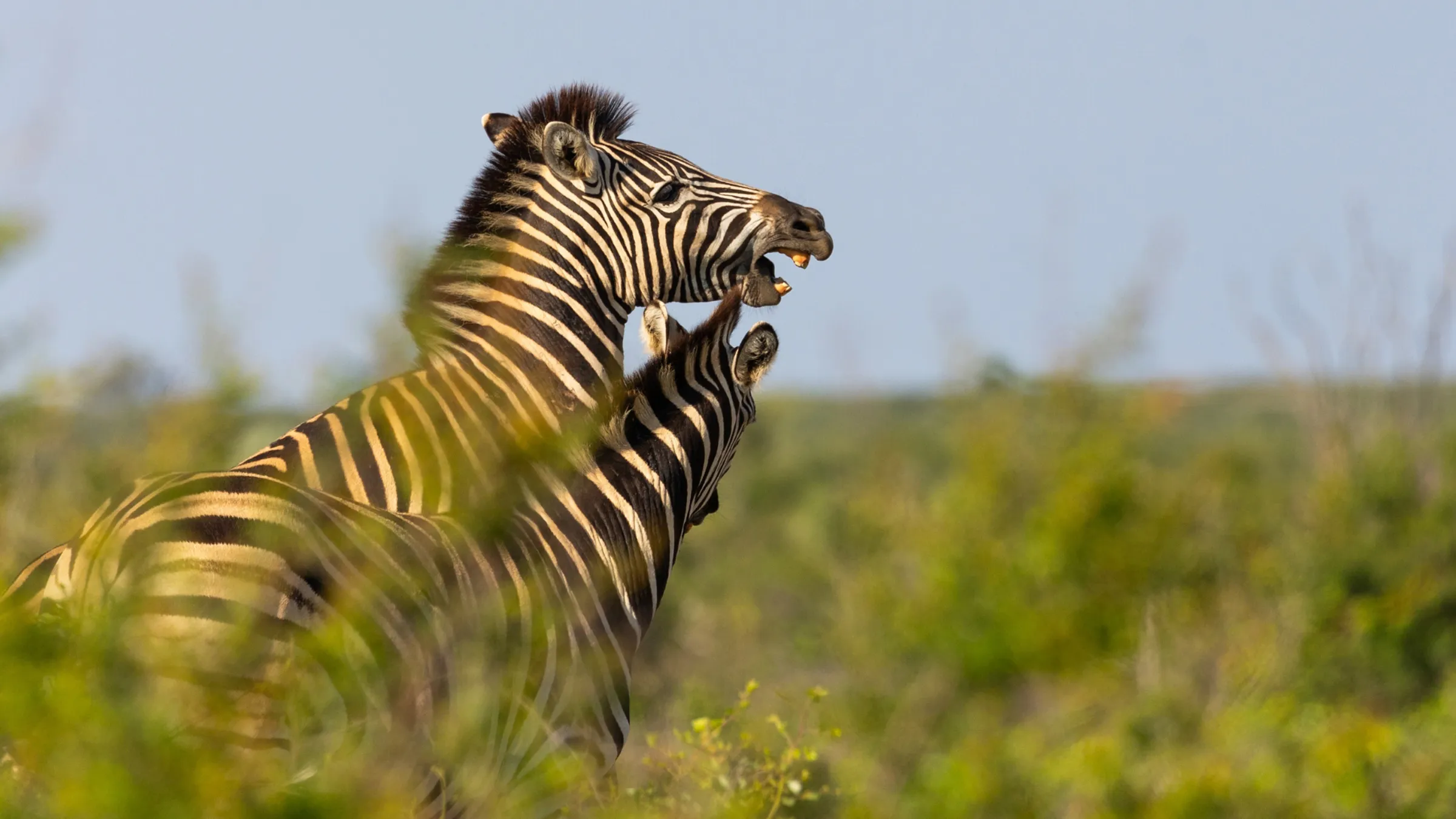
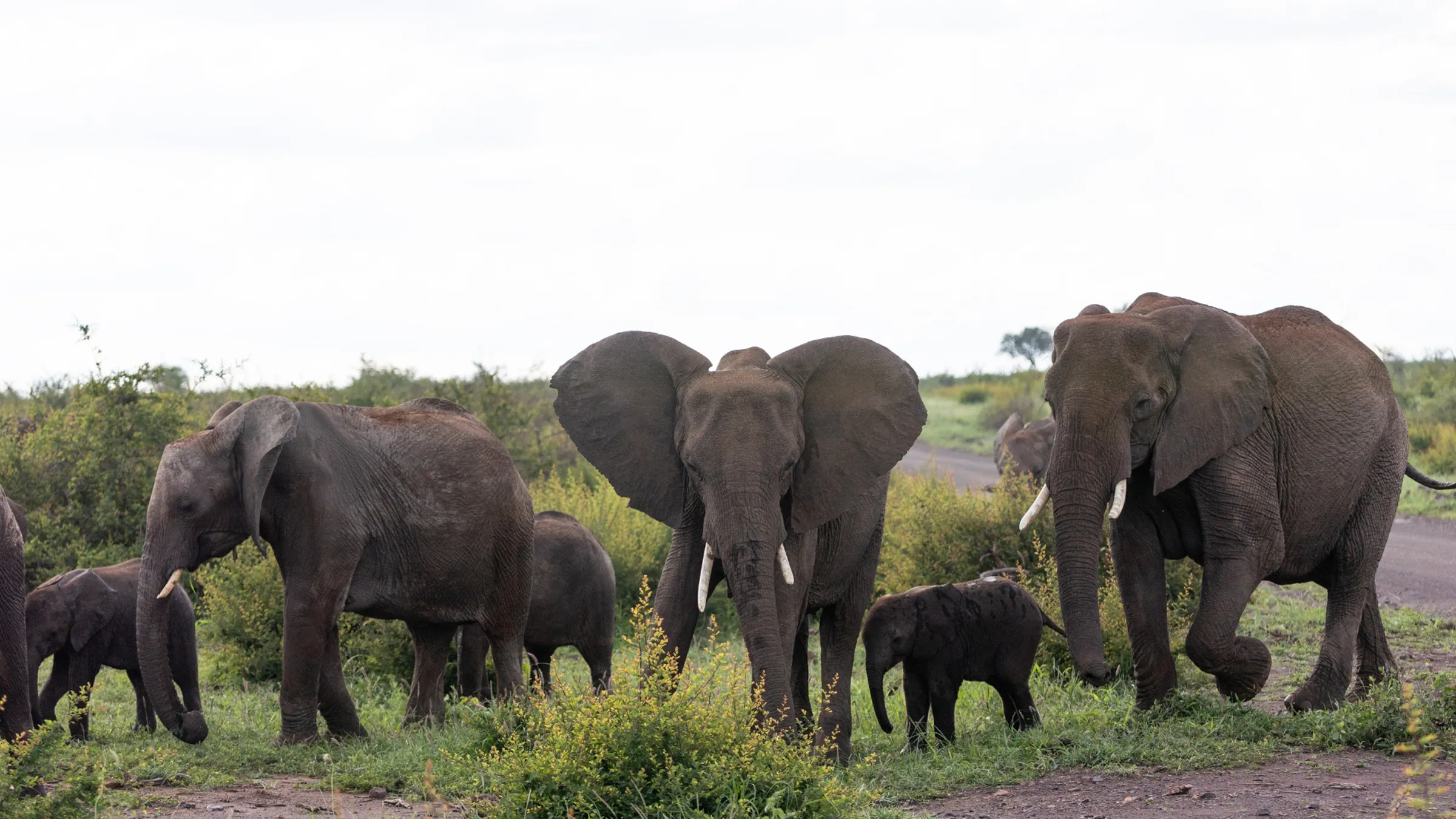
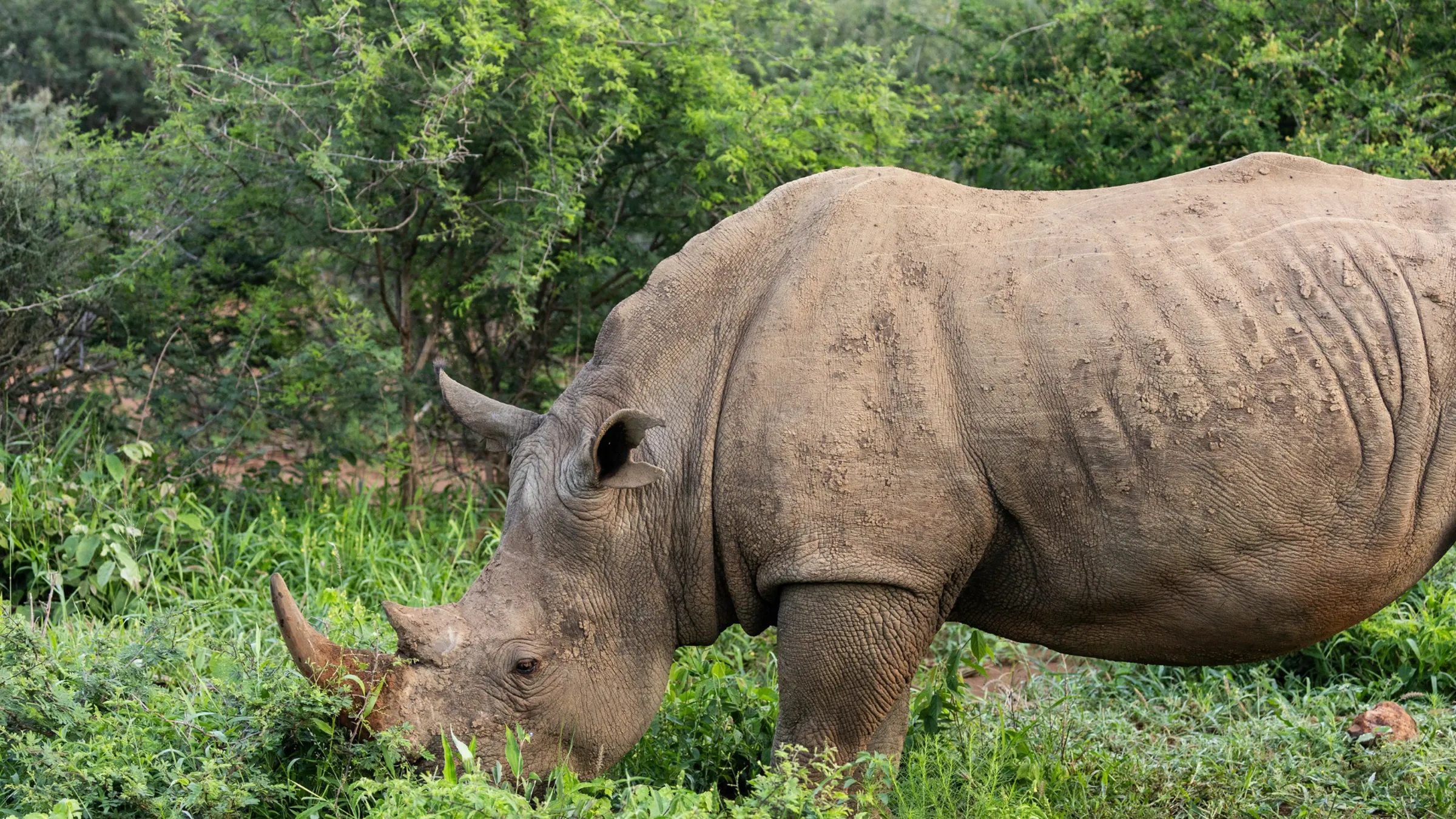
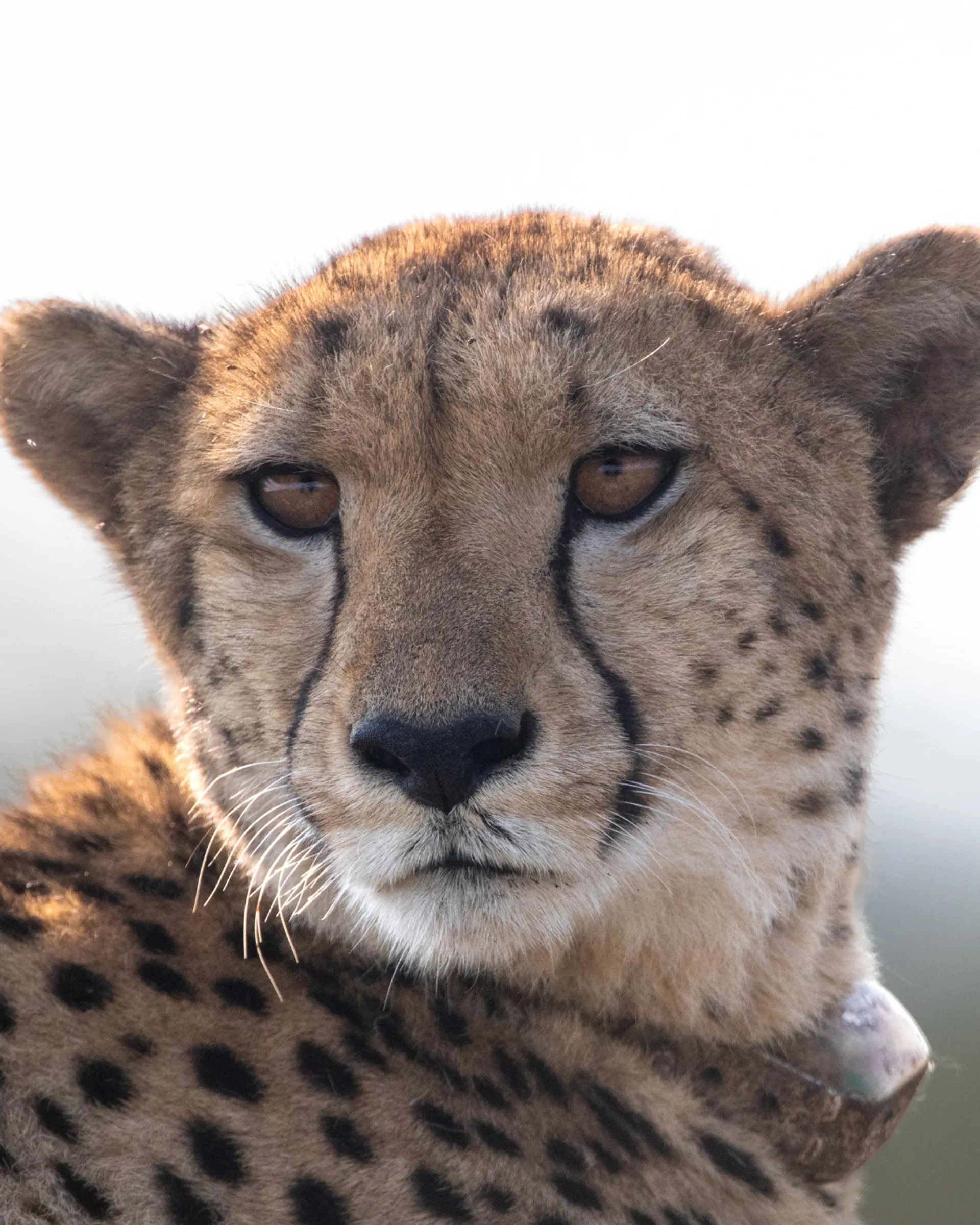
Madikwe is home to an exceptional concentration of wildlife. The Big Five are present and regularly sighted, alongside Cheetah, Wild Dog, Giraffe, Zebra, and over 350 Bird species. The open terrain makes for long, unobstructed sightings.
The reserve is particularly celebrated for its Wild Dog population, one of the most successful in South Africa.
Conservation
Operation Phoenix
How Madikwe Came to Life
Madikwe’s story begins not with wilderness, but with the absence of it. The land had been farmed for generations, the soil exhausted, the animals long gone. In 1991, the North West Parks Board launched Operation Phoenix, at the time the largest game translocation in history, and began moving thousands of animals back onto the land.
Over several years, Elephants, Rhino, Lion, Wild Dog, and hundreds of other species were reintroduced across the reserve. The farmland became a functioning ecosystem again.
That work hasn’t stopped. Read about our conservation commitment.
When To Visit?
Each season has its own rewards
Madikwe is open and worthwhile at any time of year.
The season determines the landscape, the wildlife behaviour, and the light,
not whether you will have a good safari.
Prime game viewing.
Crisp mornings, warm afternoons
The dry winter months offer optimal wildlife conditions. Vegetation thins significantly, revealing animals that would otherwise be concealed. Water sources concentrate, meaning Elephants, Buffalo, and Predators gather predictably at waterholes throughout the day.
Mornings are cold, sometimes below 5°C at dawn, making the early drive brisk but the golden light extraordinary. Afternoons warm quickly and remain pleasant. The sky is cloudless and deep blue.
Nights are cold and clear, ideal to watch the stars. This is the most popular season for first-time visitors and serious wildlife photographers. Game drive conditions are exceptional from May through to the end of August.
Green season.
New life everywhere
The rains transform Madikwe. The red earth greens over, wildflowers emerge, and the landscape takes on a richness the dry months don’t show. Summer brings new life to the reserve, with Impala lambs appearing in November and December, attracting Predators and creating intense activity across the plains.
Birding is exceptional in summer, with Rift Valley migrants arriving in large numbers. Afternoons often bring dramatic thunderstorms, typically brief and spectacular, clearing to golden evening light. The bush is denser, but the activity level is high.
This is a popular season for those who prefer the drama of the rains, the green landscape, and the abundance of Birdlife.
Warm days, dramatic colours.
The reserve at its quietest
April, September, and October offer some of Madikwe’s most beautiful conditions. The shoulder seasons sit between the extremes, warm enough to be comfortable, dry enough for good visibility, and quiet enough that the reserve feels private.
October brings the first thunderstorms of the season, reliably dramatic and often accompanied by extraordinary light. The vegetation is still dry, visibility is good, and the heat of high summer hasn’t yet arrived. April sees the tail end of the rains. The bush is lush and the young animals from the summer season are mobile and playful.
Getting to Madikwe
Closer than you think
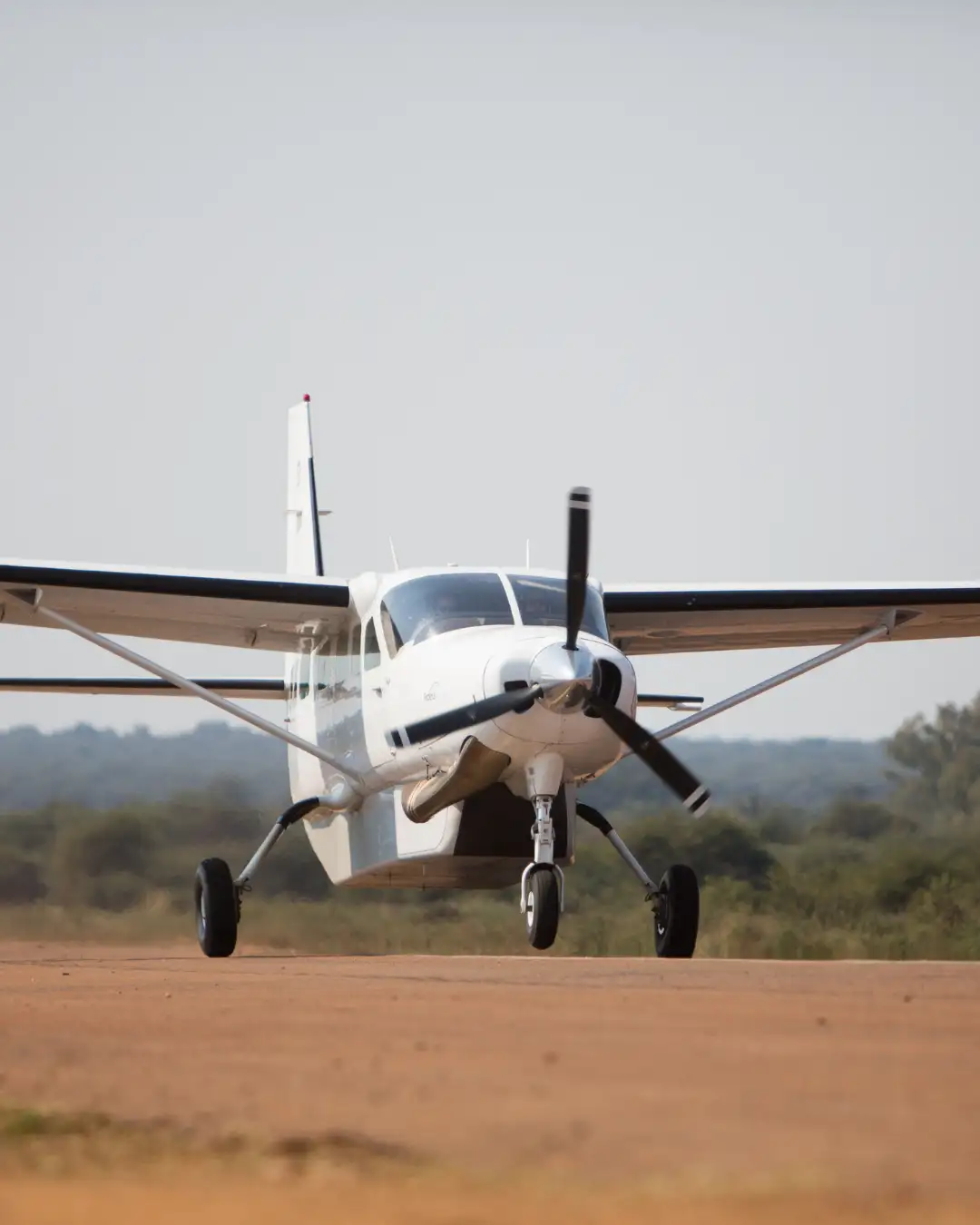
Madikwe is one of the most conveniently located major Big Five reserves in Southern Africa – accessible by road in under four hours from Johannesburg, or by charter flight for those who prefer to arrive by air.
We can assist with all transfer arrangements, so if you need help planning your journey, you only need to ask.
Guides Who Bring
the Bush to Life
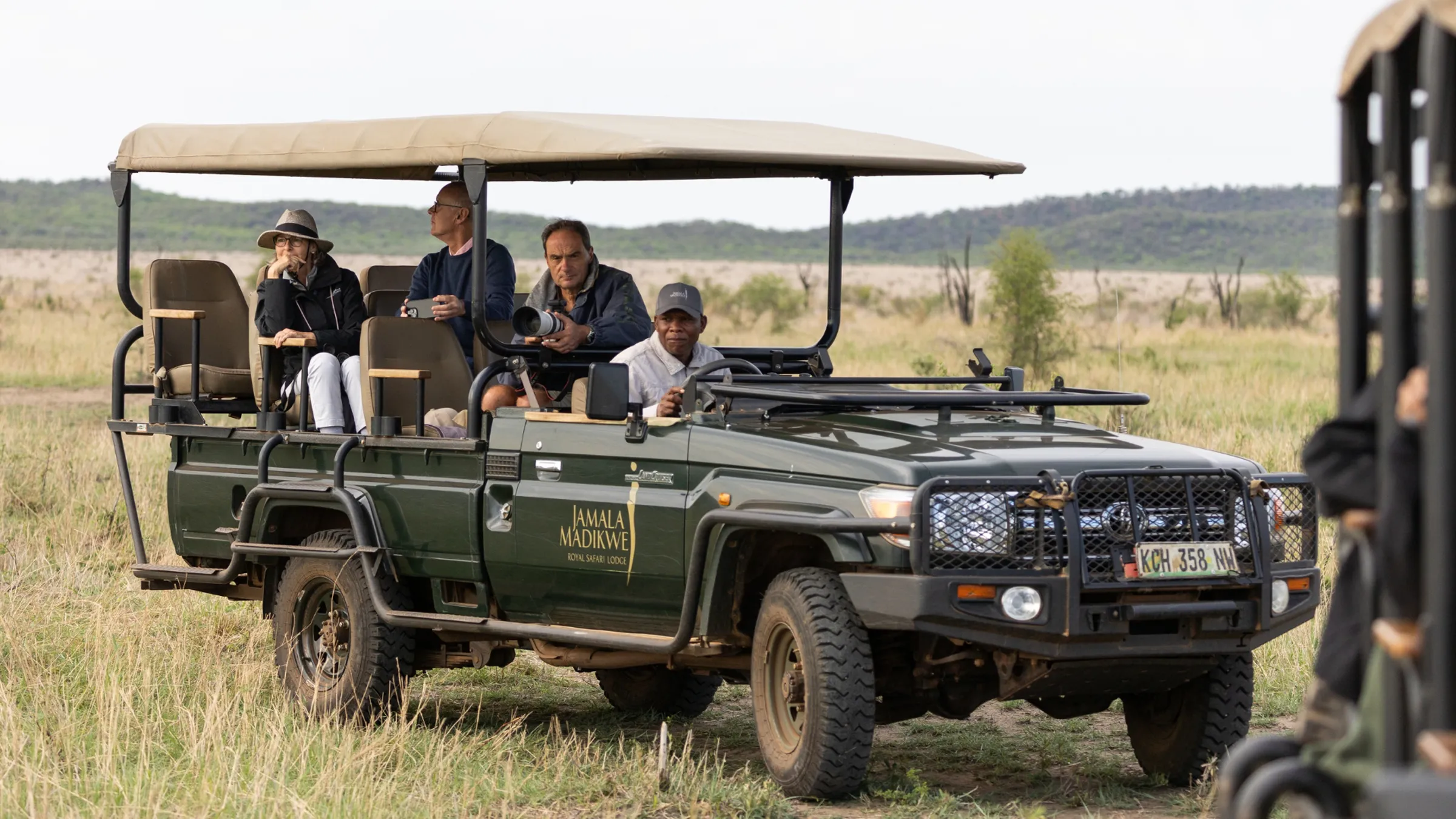
The guides at Jamala Madikwe grew up here. They know this landscape because they’ve lived in it, learned from it. There’s no better company in the bush.
Conservation &
Community
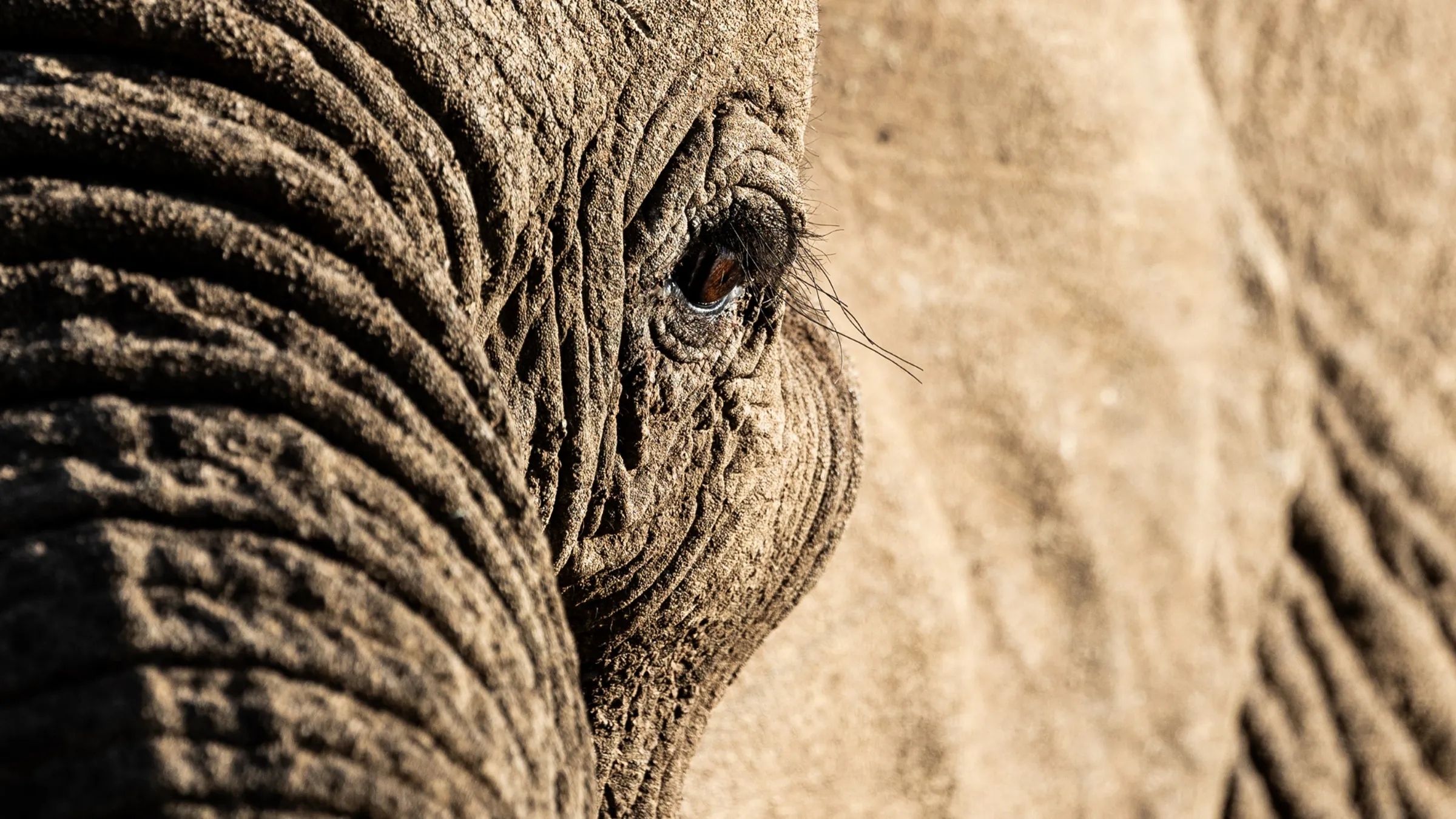
From Operation Phoenix to ongoing protection, Madikwe exists because of one of Africa’s most ambitious wildlife restorations.
Experience Madikwe at its best
Five private villas At Jamala Madikwe.
Book one, or take the whole lodge.
Madikwe Game Reserve · North West Province · All-inclusive · Malaria-free